
Integrated Security Systems Replacing Standalone CCTV
For decades, a bank of CCTV monitors in a security cabin was the definition of "good security" for Indian businesses. A few cameras covering the gate, the parking lot and the reception desk felt like enough. That era is ending quickly.
As enterprises across India scale to multiple locations, regulators tighten data and safety norms, and threats become more sophisticated, standalone CCTV alone is no longer sufficient. Business owners, facility managers and security heads are now moving toward integrated security systems that combine surveillance, access control, intrusion alarms and analytics into a single, centrally managed platform.
This shift isn't a trend - it's a structural change in how Indian enterprises think about enterprise security solutions. This article explains why, using facts, market data and practical examples relevant to Indian businesses.
What Are Standalone CCTV Systems?
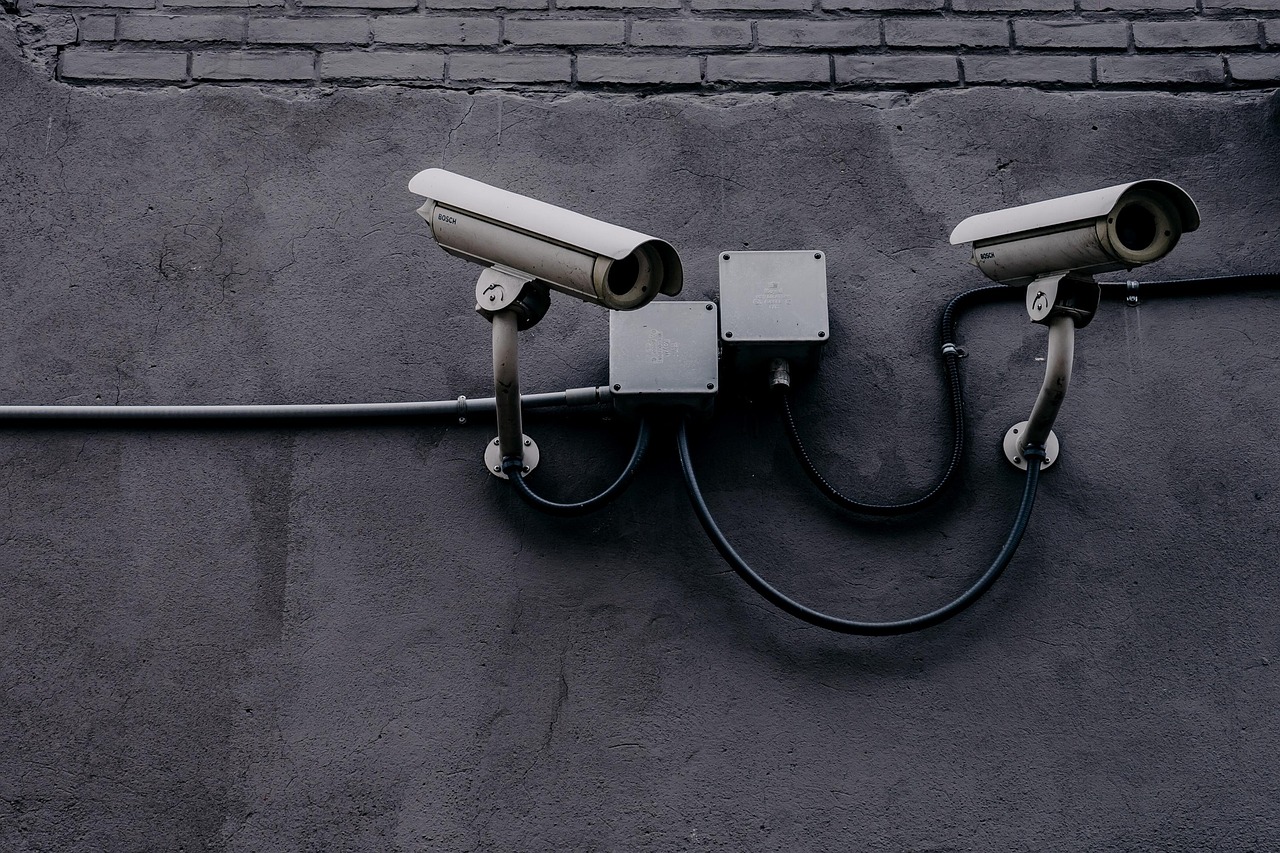
A standalone CCTV system is exactly what it sounds like - a set of cameras connected to a local recorder (DVR or NVR), viewed on a monitor at a single site. It typically has no connection to access control, alarms or other locations. Most legacy installations across Indian offices, factories and retail outlets still work this way: cameras record footage, but very little of that footage is analyzed, correlated or acted upon in real time.
CCTV surveillance remains foundational to any security setup, and IP cameras have made image quality and remote viewing far better than the analog era. But on its own, a camera can only show what happened - it cannot control who enters a building, sound an alert during a break-in, or connect footage from a warehouse in Pune to a control room in Bengaluru.
Limitations of Standalone CCTV
Standalone CCTV, while useful, has clear operational limits for growing businesses:
No cross-system intelligence. Cameras cannot "talk" to access control or intrusion alarms, so an unauthorized entry may go unnoticed until someone reviews footage later.
Site-by-site management. Each location needs its own monitoring, with no centralized visibility across branches, warehouses or plants.
Reactive, not proactive. Standalone systems are mostly used for post-incident investigation rather than real-time prevention.
Limited scalability. Adding new sites or devices often means duplicating infrastructure instead of extending an existing platform.
Manual monitoring dependency. Without video analytics, human operators must watch multiple screens continuously, which is inefficient and error-prone.
Compliance gaps. As India's data protection and industry-specific safety norms evolve, disconnected systems make it harder to demonstrate consistent, auditable security practices.
These gaps are exactly why enterprises are re-evaluating their approach to business security systems.
What Are Integrated Security Systems?
Integrated security systems bring CCTV surveillance, access control, intrusion alarms, video management software, visitor management and AI-based analytics onto one unified platform. Instead of separate tools working in isolation, every device and event feeds into a single video management system (VMS) that security teams can monitor, analyze and manage centrally - often from anywhere, using remote monitoring.
This is the foundation of modern enterprise security solutions: not just more cameras, but smarter, connected infrastructure that turns raw footage and access logs into actionable insight.
How CCTV, Access Control, Intrusion Alarms, VMS, Visitor Management and Analytics Work Together
An integrated setup connects multiple layers of physical security systems so they reinforce one another:
CCTV surveillance and IP cameras capture continuous visual data across all monitored zones.
Access control systems manage entry and exit using biometrics, cards or mobile credentials, and log every movement.
Intrusion alarm systems detect forced entry, tampering or perimeter breaches and trigger instant alerts.
Video management systems (VMS) aggregate camera feeds, recordings and events into a single dashboard for centralized monitoring.
Visitor management digitizes guest check-in, pre-approval and tracking, linking visitor records to access permissions.
AI video analytics scan live and recorded footage for specific behaviors - loitering, unauthorized zone entry, crowd build-up or object detection - reducing dependence on manual watching.
When these layers are connected, an example becomes clear: if someone tries to force open a restricted door, the intrusion alarm triggers instantly, the nearest camera automatically pulls up a live feed, the access control log records the attempt, and the security team receives a real-time alert - all without a human having to piece the story together after the fact. This is the essence of integrated CCTV solutions and modern security surveillance solutions.
Standalone CCTV vs Integrated Security Systems
Benefits of Integrated Security Systems for Enterprises
1. Centralized, remote monitoring Security heads overseeing multiple branches, warehouses or IT parks can view live feeds, access logs and alarm status from one dashboard, from any location - a major advantage over checking each site separately.
2. Cost savings over time While integration requires investment upfront, enterprises save on manpower, redundant hardware and prolonged incident investigations. A single AMC services contract covering all connected systems also reduces maintenance overheads compared to managing multiple vendors.
3. Scalability for growing businesses As enterprises add new offices, plants or retail outlets, an integrated platform lets them extend coverage without rebuilding infrastructure from scratch - critical for multi-location enterprises operating pan-India.
4. Faster, smarter response AI-powered surveillance flags unusual activity as it happens, rather than requiring teams to review hours of footage later, significantly narrowing the response window during incidents.
5. Stronger compliance posture Centralized logs, access records and audit trails make it easier for hospitals, manufacturing plants and commercial buildings to demonstrate compliance with internal safety policies and applicable regulations.
6. Better workforce and visitor accountability Access control integrated with attendance and visitor management gives HR and facility teams accurate, auditable records of who entered which zone and when.
Compliance and Regulatory Considerations in India
Security technology in India operates within an evolving regulatory framework. CCTV cameras and recorders sold in India must comply with Bureau of Indian Standards (BIS) requirements under the Compulsory Registration Scheme, which cover safety, performance and, more recently, cybersecurity essential requirements for connected devices. Enterprises procuring surveillance equipment - especially for government, PSU or large commercial tenders - increasingly need to verify BIS registration before deployment.
Separately, India's data protection landscape is maturing. Industry analysts note that data-sovereignty provisions under the Digital Personal Data Protection Act are prompting many large surveillance installations to stay on-premises, even as cloud-based video management gains traction among smaller firms - making it important for enterprises to choose integrators who understand both data handling and physical security design. Organizations can refer to guidance from the Ministry of Home Affairs and CERT-In for broader cybersecurity and infrastructure protection frameworks, and to global best-practice frameworks published by ASIS International for enterprise security management standards.
AnexSecure's Intrusion Alarm Systems and Access Control Systems are deployed with compliance-readiness built into installation practices, so enterprises don't have to retrofit systems later.
Industry Use Cases
Manufacturing plants and warehouses: Perimeter security combined with intrusion alarms and access-controlled zones protects raw material stores and restricts machinery areas to authorized personnel only, while centralized monitoring tracks multiple plant locations from one control room.
Corporate offices and IT parks: Visitor management integrated with access control streamlines guest entry while maintaining a secure, auditable record - important for IT parks with shared infrastructure and multiple tenant companies.
Hospitals: Integrated surveillance and access control help secure sensitive areas such as ICUs, pharmacies and record rooms, while intrusion alarms protect after-hours access points.
Retail chains: Centralized monitoring across outlets allows a single security team to oversee dozens of stores, with AI analytics helping flag theft-prone patterns or unusual footfall.
Educational institutions: Access control at entry points combined with campus-wide CCTV surveillance and alarm systems supports both day-to-day safety and emergency response.
Commercial buildings: Multi-tenant buildings benefit from centralized command over shared entry points, elevators and parking, while individual tenants retain visibility into their own zones.
AnexSecure's System Integration services are designed specifically for these multi-location, multi-system deployments across India.
Future of Integrated Security Systems in 2026
Enterprise security in India is entering a phase of rapid technological change. Industry research points to video surveillance in India evolving beyond basic monitoring into a smart, data-driven ecosystem that supports crime prevention, operational efficiency and predictive management. Cloud-based platforms are reducing storage costs and simplifying multi-site management, while falling camera prices and improving connectivity are accelerating adoption even among mid-sized enterprises.
Key trends to watch include:
AI-driven predictive analytics moving surveillance from reactive review to proactive risk detection.
Deeper cloud and hybrid VMS adoption, balanced against data-localization requirements.
Stronger certification requirements, with BIS and STQC compliance becoming standard procurement criteria, especially for government and large enterprise tenders.
Convergence of physical and cyber security, as connected devices themselves become potential attack surfaces requiring cybersecurity-hardened hardware.
Wider adoption among mid-market and multi-location businesses, not just large corporates, as integration costs decline.
Enterprises that upgrade now position themselves ahead of tightening compliance timelines rather than scrambling to retrofit systems later.
Why Choose AnexSecure
AnexSecure specializes in designing and delivering integrated security systems for enterprises operating across multiple locations in India. Rather than treating CCTV, access control and intrusion alarms as separate purchases, AnexSecure approaches security as a single, connected infrastructure layer - supported by centralized AMC services and pan-India, SLA-driven execution capability.
For facility managers and security heads managing offices, plants or retail networks spread across states, this means one partner, one point of accountability, and consistent standards across every site - rather than juggling multiple regional vendors. Enterprises evaluating an upgrade from fragmented CCTV setups can explore AnexSecure's Enterprise Security Solutions or reach out through the Contact page to discuss a site-specific integration plan. To understand AnexSecure's approach and experience, visit the About Us page.
Conclusion
Standalone CCTV served Indian businesses well when security simply meant recording footage. But as enterprises expand across cities, regulatory expectations rise and threats grow more sophisticated, disconnected cameras are no longer enough. Integrated security systems - combining CCTV, access control, intrusion alarms, video management and analytics - give businesses centralized visibility, faster response and a stronger compliance posture, all while controlling long-term costs.
For enterprises still relying on standalone CCTV, the question is no longer if they should integrate, but how soon. Partnering with an experienced integrator like AnexSecure can make that transition structured, compliant and built for scale.